


'Chiropractic is supposed to be Specific.'

561.571.2468
Upper Cervical Specific Chiropractic Care in Boca Raton

Dr. Hasson has helped many patients with vertigo and related symptoms.

Dizziness, Vertigo, and Meniere’s Disease: Why Finding the Real Cause Matters and How Specific Chiropractic Care Can Help
Dizziness and vertigo are among the most disruptive symptoms a person can experience. The spinning sensation, unsteadiness, and nausea can make everyday activities feel impossible. For many people in Boca Raton, West Palm Beach, Delray Beach, Fort Lauderdale, and throughout Palm Beach and Broward Counties, these symptoms are connected to Meniere’s Disease or other vestibular issues.
While Meniere’s Disease is often described as an inner ear problem involving fluid buildup, many patients also have contributing factors from the neck and nervous system. At my practice, Dr. Hasson focuses on identifying and correcting the underlying structural and neurological causes of dizziness and vertigo rather than just managing symptoms.In this guide, I’ll explain what happens with dizziness and vertigo, how Meniere’s Disease fits into the picture, the limitations of common treatments, and how Specific Chiropractic care with an upper cervical focus can help restore balance.
What Are Dizziness and Vertigo?
Dizziness is a general term that can include lightheadedness, unsteadiness, or a feeling of floating. Vertigo is more specific — it creates the false sensation that you or your surroundings are spinning or moving.
Common causes of vertigo include:
-
Benign Paroxysmal Positional Vertigo (BPPV)
-
Vestibular neuritis or labyrinthitis
-
Meniere’s Disease
-
Cervicogenic vertigo (originating from the neck)
-
Migraines
-
Inner ear disorders
Meniere’s Disease is a chronic condition characterized by episodes of severe vertigo, fluctuating hearing loss, tinnitus (ringing in the ears), and a feeling of fullness in the affected ear. While fluid imbalance in the inner ear plays a major role, research and clinical experience show that neck alignment and nervous system function can influence the frequency and severity of attacks.
How the Neck Can Contribute to Dizziness and Vertigo
The upper cervical spine (the top two bones in the neck) has a direct connection to the balance system through nerves, blood flow to the brain, and proprioceptive feedback (your body’s sense of position). When these bones are misaligned, it can disrupt normal signals to the brain and inner ear, contributing to or worsening dizziness and vertigo — even in cases involving Meniere’s Disease.Many patients are surprised to learn that their vertigo symptoms improve when upper neck alignment is corrected, because the structural imbalance was adding stress to an already sensitive vestibular system.
Medical Diagnosis and Treatment of Vertigo and Meniere’s Disease
When patients seek medical care for dizziness or vertigo, doctors typically perform:
-
Detailed history and physical exams (including Dix-Hallpike test for BPPV)
-
Hearing tests
-
MRI or CT scans to rule out other causes
-
Vestibular testing
For Meniere’s Disease, diagnosis is often based on symptoms and ruling out other conditions.Common medical treatments include:
-
Vestibular suppressants
-
Diuretics (to reduce fluid in the inner ear)
-
Steroids
-
Anti-nausea medications
-
In severe cases, injections into the ear or surgery
While these approaches can help reduce the intensity of episodes, they often focus on managing symptoms rather than addressing potential contributing structural factors from the neck and nervous system.
Medications Commonly Prescribed for Vertigo and Meniere’s:
Several medications are frequently used to control symptoms:
-
Meclizine and other antihistamines — Reduce dizziness and nausea but often cause drowsiness and dry mouth.
-
Benzodiazepines (such as diazepam) — Calm the nervous system but can lead to dependence and cognitive side effects with long-term use.
-
Diuretics — Help reduce fluid pressure in Meniere’s but may cause electrolyte imbalances and dehydration.
-
Steroids — Used to reduce inflammation but carry risks with repeated use.
-
Anti-nausea drugs — Provide short-term relief but do not address the underlying trigger.
The core limitation: These medications are designed to suppress symptoms. They do not correct misalignments in the upper neck, improve nervous system communication, or address structural factors that may be contributing to vertigo episodes. When medication is reduced or stopped, symptoms frequently return.
When the Cause Is Not Addressed, Symptoms Can Worsen Over Time
If the true cause of dizziness and vertigo is never properly identified, episodes can become more frequent or severe. In Meniere’s Disease, repeated attacks can lead to permanent hearing loss. In other cases, ongoing vertigo can significantly impact quality of life, increase fall risk, and lead to anxiety or depression.This is why Dr. Hasson emphasizes the importance of thoroughly evaluating both the vestibular system and the structural and neurological components — particularly the upper cervical spine — before symptoms progress.
Vestibular Rehabilitation and Physical Therapy Vestibular rehabilitation therapy (VRT) is a specialized form of physical therapy designed to help the brain adapt to balance problems. It includes specific head and eye movements, balance exercises, and gait training.
Benefits: Many patients with BPPV and other vestibular disorders experience significant improvement with consistent vestibular therapy.
Limitations: While excellent for retraining the brain and improving compensation, vestibular therapy does not correct underlying spinal misalignments or nervous system interference that may be triggering or aggravating vertigo. Some patients see good short-term results but continue having recurring episodes because the structural component was never addressed.
Acupuncture for Dizziness and Vertigo
Acupuncture is sometimes used for vertigo and Meniere’s symptoms. It can help reduce the intensity of dizziness, ease nausea, and promote relaxation by influencing the nervous system.
The limitation: Acupuncture primarily works on symptom relief and nervous system regulation. It does not correct misalignments in the upper cervical spine or restore proper structural balance that may be contributing to the problem.
General Chiropractic Care for Vertigo
Some patients try general chiropractic care for dizziness and vertigo. Adjustments focused on the neck can provide relief for certain individuals by improving mobility and reducing muscle tension.However, general approaches often treat the neck symptoms locally without specifically evaluating how subtle misalignments at the very top of the spine (C1 and C2) may be affecting blood flow, nerve signals, and overall balance system function.
Specific Chiropractic Care with Upper Cervical Focus
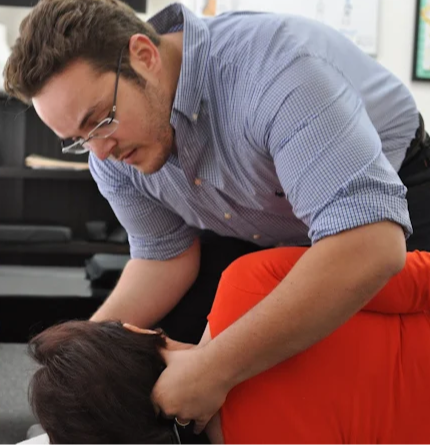
This is where Specific Chiropractic care, particularly with precise focus on the upper cervical spine, offers a unique advantage for dizziness and vertigo.The top two vertebrae (atlas and axis) sit directly beneath the skull and have a powerful influence on:
-
Blood flow to the brain
-
Nerve communication between the neck and balance centers
-
Proprioceptive input that tells the brain where the head is in space
When these bones are misaligned, even slightly, it can create faulty signals that contribute to vertigo and dizziness — including in patients with Meniere’s Disease. By gently and precisely correcting these misalignments, Specific Chiropractic care helps restore proper neurological function and structural balance from the top down.Many patients report fewer and less intense vertigo episodes once upper cervical alignment is restored, because the nervous system is better able to regulate balance and the body experiences less overall stress.Dr. Hasson has seen significant improvements in patients with chronic dizziness and vertigo — including those diagnosed with Meniere’s — when the upper neck and nervous system are properly evaluated and cared for as part of their overall management.
Why Finding the True Cause Is So Important
Dizziness and vertigo are symptoms, not diagnoses. Whether the primary issue is Meniere’s Disease, BPPV, or cervicogenic vertigo, addressing only the symptoms with medication or exercises often leads to recurring problems.By identifying and correcting structural imbalances — especially in the upper cervical spine — patients have a better opportunity for longer-lasting relief and improved quality of life.Take the Next Step Toward Better BalanceIf you’re experiencing dizziness, vertigo, or symptoms related to Meniere’s Disease and have not found lasting answers, it may be time to look deeper at the structural and neurological components.
Dr. Hasson provides detailed evaluations focused on how the upper neck and nervous system may be contributing to your symptoms. Many patients who previously tried multiple approaches finally experience meaningful improvement once these factors are properly addressed.If you’re in Boca Raton, West Palm Beach, Delray Beach, Fort Lauderdale, or surrounding areas and would like to explore how Specific Chiropractic care can help with dizziness and vertigo, I invite you to schedule a consultation.Contact us today to learn more about how we can help you regain stability and peace of mind.